
Japan's KitKat Secret: 15 Regional Flavors

Regional Kit Kat products from Japan illustrate a unique alliance between industrial innovation and local culinary heritage. Each variety is inspired by traditional specialities, often rooted in regional history and know-how.
In Kyoto, the Matcha Kit Kat is based on a centuries-old tea culture, while in Shizuoka, the wasabi version features a plant grown since the Edo period, once prized for its medicinal properties. In Tohoku, Kit Kat Zunda uses a recipe based on green soya, an emblematic ingredient in local desserts for generations.
These limited editions, often marketed as *omiyage* (souvenirs), respond to a Japanese tradition: bringing back an artisanal product to share a regional experience. By working with local producers, Nestlé transforms each Kit Kat into a symbol of the region, combining modernity with respect for tradition. It's an approach that enhances both the attractiveness to tourists and the preservation of Japanese culinary know-how.
Here is a detailed list of Japan's emblematic regional Kit Kat, each linked to local specialities and often only available in certain prefectures or regions. These creations reflect the culinary and cultural diversity of the country, while highlighting traditional ingredients or unique skills:
1. Hokkaido: Melon Kit Kat
Hokkaido is famous for its sweet, fragrant melons, grown in an ideal climate. This Kit Kat captures the delicate aromas of this emblematic fruit, often given as a gift for its exceptional quality.
.

2. Miyagi: Kit Kat Zunda
Zunda is a green soybean paste that has been used for centuries in traditional desserts in the Sendai region. This Kit Kat captures its sweetness and texture, offering an authentic, plant-based experience.

3. Shizuoka: Wasabi Kit Kat
Shizuoka is Japan's leading producer of wasabi. This Kit Kat, made with local wasabi, offers a subtle spicy touch, without the usual intensity of this root, while respecting its culinary heritage

4. Tokyo: Kit Kat Saké, Apple Liqueur
These alcoholic versions, often found in specialist shops such as those in Akihabara, are inspired by traditional Japanese drinks. They are appreciated for their sophistication and their link with the culture of the izakaya (Japanese tapas bars).

5. Kyoto : Matcha Kit Kat, Sakura Kit Kat
The cherry blossom (sakura) is a symbol of spring and Japanese culture. This Kit Kat, often available as a limited edition, evokes the ephemeral delicacy of the cherry blossom season.

6. Nagoya: Kit Kat Kinako Ohagi
Ohagi is a traditional dessert made with glutinous rice and red bean paste, coated in kinako (roasted soya powder). This Kit Kat captures the rustic, comforting flavours typical of seasonal celebrations.

7. Osaka: Ume Kit Kat
Ume (Japanese plum) is a central ingredient in Japanese cuisine, used for its preservative properties and tangy flavour. This Kit Kat captures the balance between sweetness and acidity.

8. Kumamoto: Ikinari Dango Kit Kat
Created after the 2016 earthquake, this Kit Kat is inspired by a local sweet made from sweet potato and azuki beans. It symbolises the resilience of the region while celebrating its culinary traditions.

9. Hiroshima: Momiji Manju Kit Kat
Momiji manju is a maple leaf-shaped cake, a speciality of Hiroshima. This Kit Kat captures its sweet flavours and emblematic shape, often bought as a souvenir.
10. Fukuoka: Strawberry Kit Kat
Fukuoka is famous for its sweet, juicy strawberries, especially the Amaou variety, one of the most popular in Japan. This Kit Kat captures the fruity, slightly tart flavours of these strawberries, offering a refreshingly gourmet experience.

11. Okinawa: Shikuwasa Kit Kat
Shikuwasa is an Okinawan citrus fruit, renowned for its tangy, refreshing flavour. This Kit Kat captures its essence, offering an exotic, sunny touch.

12. Kyushu: Kit Kat Sweet potato
Kyushu's sweet potato, often used in desserts and traditional dishes, is transformed here into a sweet and creamy version, typical of local specialities.

13 : Ehime: Lemon Kit Kat
Ehime is famous for its citrus fruits, especially yuzu and lemons. This tangy Kit Kat highlights the freshness of these fruits, which are widely used in Japanese cuisine.

14 : Tochigi: Edamame Kit Kat
Edamame (green beans) are a popular snack in Japan. This Kit Kat captures the vegetable sweetness, offering a unique and unexpected experience.

15. Gifu: Kinako Kit Kat
Kinako is roasted soya powder, used for centuries in Japanese desserts. This Kit Kat takes on its nutty, slightly sweet flavour.

These Kit Kat are often sold in railway stations, airports or souvenir shops in the regions concerned. They are very popular as gifts (omiyage) and reflect the culinary and cultural richness of Japan.

Your Personal Guide to Japan
🌟 Discover Hidden Japan with Your Personal Travel Companion 🌟
Tired of generic travel guides? Let our Japanese experts craft your perfect Japan adventure!
Why Travelers Choose Our Service:
1.Exclusive access to local secrets and off-the-beaten-path destinations
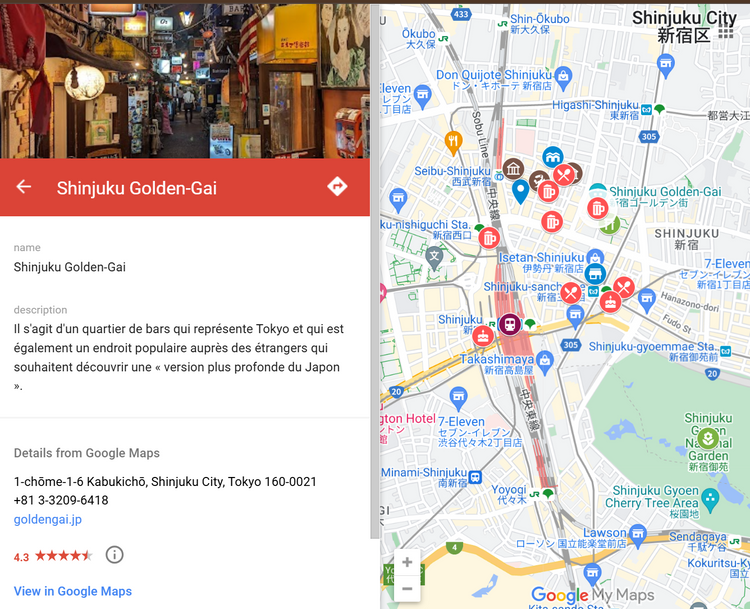
2.Personalized Google Maps highlighting hidden gems, authentic restaurants, and photo spots
3.Real-time multilingual support throughout your journey (English, Français, Español, Português, 中文, ไทย)
4.Stress-free navigation of Japan's transportation system
5.Instant assistance for restaurant bookings and cultural experiences